
RILA invests in a rheingold study on the future of country delicatessen in food retailing
On behalf of RILA Feinkost-Importe GmbH & Co. KG, rheingold, under the direction of Stephan Grünewald, researched the status and opportunities of "remote food" in food retailing. The goal was to better understand how consumers view this category, what their desires are, which are already fulfilled and which are not yet. The high-quality psychological baseline study followed consumers as they shopped and subsequent exploration and discussion highlighted opportunities for all stakeholders in this market. Five types of gourmets were identified, who can be found in retail and have different expectations of "their" retailer when it comes to delicatessen from distant countries.
A whole universe of pleasure
Curth+Roth has deepened the findings of rheingold in a quantitative, national survey. The result: The desire for something different and exotic may be represented even more in the supermarket. On the basis of the collected realizations the Genussentdecker of RILA point in the remote food study ways out, how the trade for the different types of benefit can stage the category remote food with different benefit regions holistic. It applies to use the turnover chances prognosticated in the study: A good fifth of shoppers (22 percent) plan to use products from foreign cuisines more often.
Indulgence culture in Germany: from the "regular table" to the "exo table
The fact that the importance of long-distance eating is increasing can be attributed to various influences. On the one hand, there is a new, globalized food culture, which the renowned food researcher Hanni Rützler describes as part of the remote food study. On the other hand, the indulgence culture in Germany also has historical roots. Hanni Rützler describes the exciting journey from the food of the guest workers in the 1950s/60s, which was foreign to German palates, to the multicultural culture of the 1970s, the discovery of fast food in the 1980s and globalization, which has brought gastronomic trends such as sushi and street food to the country. Germans have long been thinking and enjoying internationally. The Fernkost-Weltkarte, developed together with Hanni Rützler, shows for the first time the ten trend regions that have a significant and lasting influence on food in Germany. "Ceviche and falafel - Germany is and remains culinary curious," says Hanni Rützler. "And not just in what we eat, but also in how we eat it."
The five remote food enjoyment types
Germans indulge themselves primarily as a reward. rheingold has decoded the indulgence DNA of Germans in the remote food study. And identified five types of indulgence: the patchworker, the mama enWok, the joint-adventure type, the spritz tourist and the ethno-expert. Behind these stand - described in detail and pictorially - different behavioral patterns in shopping and cooking.
Stephan Grünewald describes the dilemma in which the epicurean types still find themselves today: "The charm, the fascination of long-distance food is by no means being played out optimally everywhere. People are looking for a vacation escape, they want to immerse themselves in the exoticism of the different worlds of enjoyment, they expect inspiration and presentation, which the trade does not yet serve everywhere."
More sensuality in the supermarket
50 percent of respondents think of vacations when consuming foreign products. The different regions of consumption trigger different moods: If you're in the mood for Mediterranean familiarity today, you might want to enjoy exotic food from Asia, Africa or the Levant tomorrow, to suit your mood. But how can retailers make it visible where exactly customers can find their soul food? More than half of the 777 respondents surveyed by Curth+Roth already rate the packaging design of long-distance food as rather mediocre. Günther Nessel, co-author of the study and managing director of the food agency taste! from Offenbach, sees a great opportunity here for all importers and especially for retailers. Importers are the tour guides, often providing the goods from the farthest regions. Retailers act as tour operators - and from the consumer's point of view, they do so with varying degrees of quality. "If the interaction between retailers and importers works out, a contemporary, highly consumer-relevant category will emerge on the floor, strengthening the stationary supermarkets' own profile in the competition with the ever-growing online trade," says Günther Nessel, describing the prospect.
New itineraries for the Far East Regal
The conclusion: the presentation and staging of ethnic food at the PoS is what counts. The remote food study provides information about the expectations of the food types when shopping. For example, while the patchworker often misses clarity, the spritz tourist wants a wider selection of exotic convenience products. The Mama enWok longs for greater support in her everyday logistics, the Joint-Adven-ture type seeks more spontaneous inspiration, and the Ethno-Expert wants the authentic above all. The Genussentdecker of RILA show on the basis the remote food study, how trade and delicatessen manufacturers can offer as competent travel guides the ideal and safe route to the fine remote food and where the inspiration for further growth lies. These are the ten gourmet regions of the world, where many a gourmet recipe is still to be discovered, many a product to be developed and brought closer to the consumer. Bernd Richter, Managing Director of RILA, explains the motivation behind the study: "We have now been involved in long-distance food since 1969. Next year we will be celebrating our 50th anniversary - a good time to look at the subject in all its facets, both historically and with an eye to the future. The study and the resulting concepts for importers and retailers accomplish just that."
The RILA remote food study, immediately for 69 euro in book form available, is a must for everyone, which concerns itself with the topic remote food. To refer the RILA remote food study over www.rila.de.
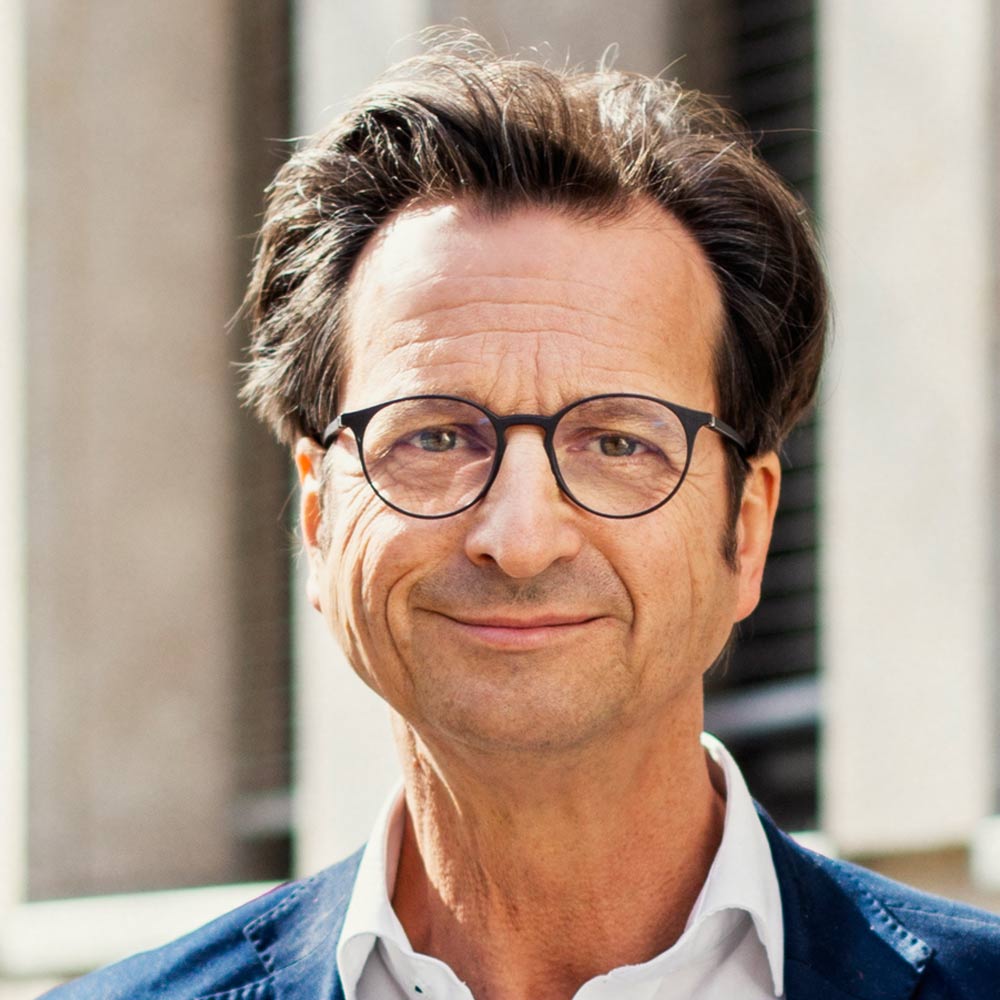
Cologne-based psychologist Stephan Grünewald is the founder of the market and media research institute rheingold. Grünewald became a bestselling author with his books "Deutschland auf der Couch" (2006) and "Die erschöpfte Gesellschaft" (2013) as well as "Wie tickt Deutschland" (2019).
Phone: +49 221-466 828 0
E-mail: gruenewald@rheingold-online.de