The interview appeared on welt.de on October 12, 2020.
Mr. Grünewald, there is a lot of excitement about the accommodation ban, and criticism is growing. Is the mood among the population threatening to tip as far as the Corona measures of politics are concerned?
Politics is actually in danger of making a mistake. Even the high priest of prudence, Karl Lauterbach, thinks the accommodation ban is unnecessary because the risk is not in traveling. Staying in the vacation apartment in the Swabian Alb is not the problem. Now there is a danger that to many the Corona policy as a whole will no longer seem sensible and comprehensible, but arbitrary and capricious.
What is the problem? The celebratory frenzy of the youth? A growing negligence in wearing masks and keeping their distance?
Our studies do not show a growing party frenzy. The need for gatherings is natural, and people have already satisfied it in summer or late summer, but without experiencing the same consequences as now. The problem is mainly the external conditions. Temperatures are dropping, life is no longer taking place outside, where it is less problematic. You can see this in a European comparison and worldwide: everywhere the numbers are going up, and certainly not globally the party mood has exploded. Parties that were unproblematic in the summer can now become hotspots. It would be the wrong way to go about it if politicians were now to look for someone to blame and assign the population a share of the blame. That would have fatal consequences for the acceptance of all measures.
"That would have fatal consequences for the acceptance of all measures."
Stephan Grünewald in an interview with welt
Do you already register consequences of such blame in your studies?
People have been in an inner mood of caution for more than half a year. They try to conjure up and halfway maintain normality, and they realize time and again that it doesn't work. This, of course, leads to anger and sometimes outright aggression. But it's not the fall and general conditions that are made out to be the problem; it's personalized. During the vacation season, it was the travelers; right now, it's focused on the young partygoers.
Citizens have already accepted and at times even welcomed much stricter requirements than the accommodation ban. Why the excitement now?
The situation was completely different in the spring. Back then, citizens felt powerless. They equipped the state with the power to bring about the lockdown, always hoping that the collective effort would bring the virus to its knees. And, yes, this was crowned with success. The number of infections fell rapidly, and the weather showed its sunny side. It was like a heavenly commendation. Now things look completely different. Virologists like Hennig Streek have been predicting for months that the number of new infections will probably inevitably rise massively in the fall. The result is that people now have no sense of achievement. At the same time, new measures are being drafted frantically. This inevitably leads to frustration. Even the heavenly weather consolation fails to materialize, because it is now winter.
How should policymakers respond?
Measures such as a participant cap at events are certainly sensible. But when imposing them, the impression must never be given that this is a punishment for personal misconduct. The important thing is to appeal to reason and voluntariness; there should be no connotation with individual failure. Of course, everyone is responsible to continue to be mindful. But we are now fighting a battle under difficult conditions. It is right to appeal to collective effort, but not with the undertone: You were unreasonable, that's what you get now, and now we'll take you by the scruff of the neck.
From a psychological point of view, frustration is also programmed if we only orient ourselves to the German infection figures. People need to feel that what they do is effective; they want to be rewarded. This can be achieved by emphasizing, as Health Minister Jens Spahn has done at times, that we have come through the crisis very well by international comparison and can continue to do so if we stick together.
How do you think the politicians came up with the accommodation ban in the first place?
The aim is to emerge from powerlessness and demonstrate the ability to act. It would have been better to agree on clear steps in late summer and to communicate them. To avoid panic, people should develop the feeling that there is also a natural rhythm to the seasons in the virus. We have also learned not to panic when the temperature drops and it starts to snow. We just change from summer to winter tires and dress warmer. It must also become second nature to Corona that we need a different behavioral repertoire in winter than in summer.
But it is far from winter, the increase in numbers started earlier.
After all, we are only at the beginning of the development. Nonetheless, the measures are already being taken to an almost excessive degree. That is very risky.
What could be the consequences of frustration and doubt?
At the moment, the big shoulder still stands. There is still a majority in favor of the measures. Recently, even a few percent were in favor of even tougher measures, and only twelve or 13 percent thought the measures were excessive. That's going to change. I observe in many of our interviews and conversations that there is a gradual turning away from politics and doubts are growing, without everyone immediately becoming conspiracy theorists. People are increasingly expressing suspicion and mistrust of politics.
There is also much criticism of the patchwork of measures; on the other hand, the federal states and regions are actually affected very differently. Which is the right way to go?
It makes sense to control measures on a regional basis, but there must be agreement on comprehensible basic principles, otherwise we will also lose the citizens. And it also has a psychologically detrimental effect if we lapse into regulations as if we were a small state. Then we also make ourselves small. As a result, confidence that we can stand together against the virus sinks.
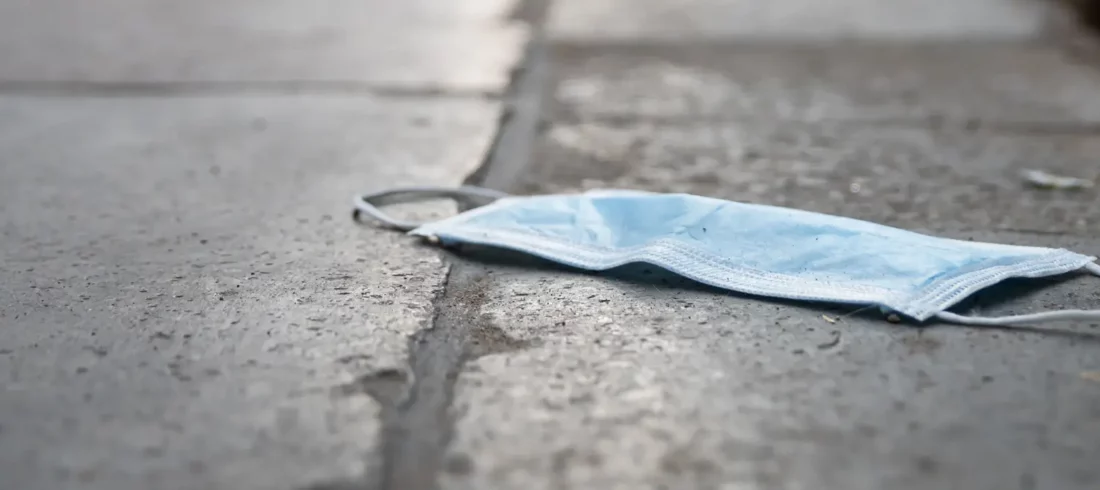
What happens when the mood tips? Do people then demonstratively throw away their masks?
We experienced this during the Prohibition era, when a lot of things shifted to the shadows, and then people didn't care about all the conditions. That would be disastrous.
The interview was conducted by Hannelore Crolly.
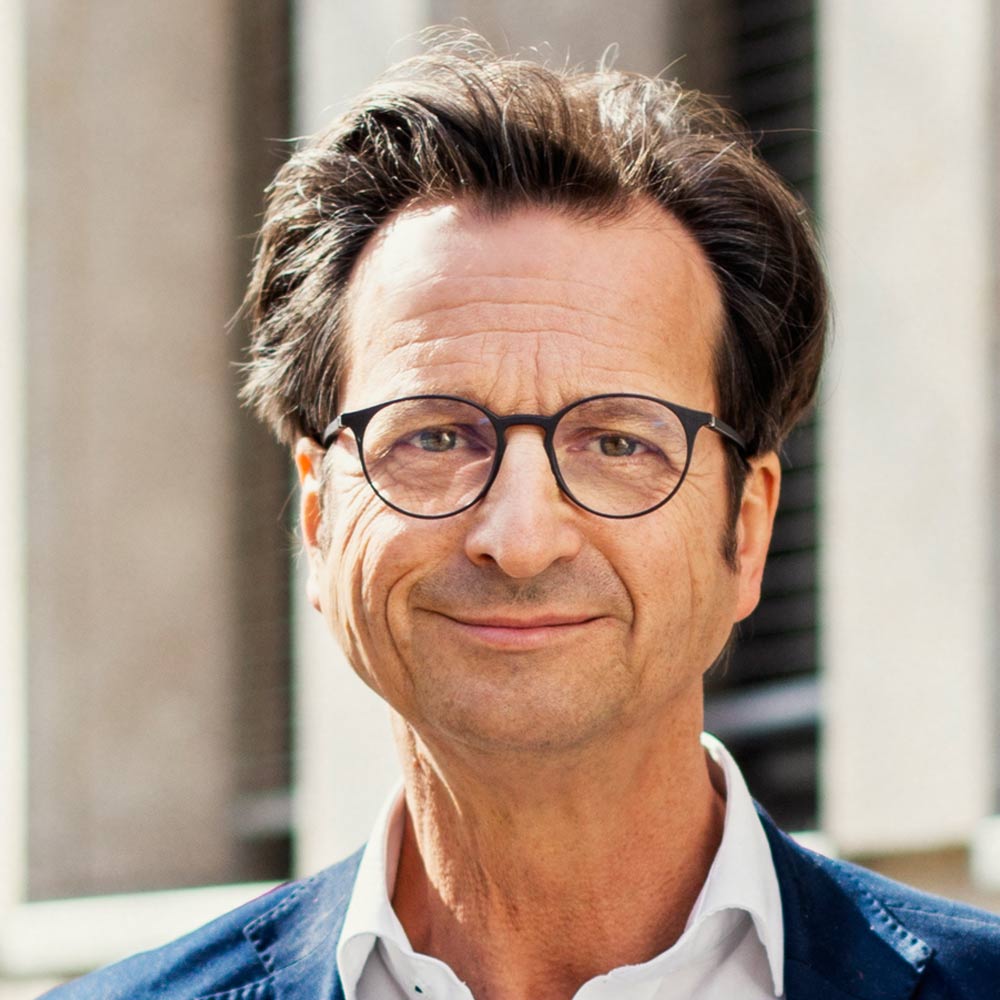
Cologne-based psychologist Stephan Grünewald is the founder of the market and media research institute rheingold. Grünewald became a bestselling author with his books "Deutschland auf der Couch" (2006) and "Die erschöpfte Gesellschaft" (2013) as well as "Wie tickt Deutschland" (2019).
Phone: +49 221-466 828 0
E-mail: gruenewald@rheingold-online.de