Artificial intelligence probably won't (yet) drive brands out of the market. But it can take away something even more important: their significance in people's lives. What needs to be done now.
The term “job hollowing” is currently gaining prominence in international debates about the future of work. It refers to the concern that AI is gradually eroding the meaning of work.
With Jana Baum (CEO), Judith Barbolini (COO), and Paul Bremer (CSO), rheingold brings together market, innovation, and leadership responsibilities at the C-suite level. Stephan Grünewald and the other partners place greater emphasis on content and clients.
On March 18 and 19, 2026, the insights industry will once again gather at succeet at the RheinMain CongressCenter in Wiesbaden. The rheingold Institute will have its own booth this year and will also present two program items on the rheingold Avatar Suite on stage.
We are moving out of "extra time" (retreat, wait and see, conservation) and into a "time of awakening." From passive observation to greater self-efficacy, pragmatism, and willingness to take responsibility. What does this mean for brands?
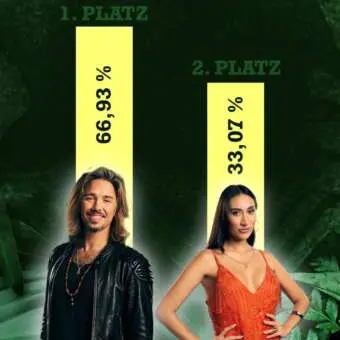
Gil Ofarim's participation in the jungle camp initially sparked controversial reactions. He himself seemed surprised that he was allowed to stay, while his jungle flatmates dwindled episode by episode. Carsten Schneider has the psychological explanation.
Rheingold began experimenting with AI back in 2021. Today, the rheingold Avatar Suite is an AI tool for market research that meets our high standards: combining psychological depth with AI-based dialogue systems to make insights faster, more connectable, and available at any time.
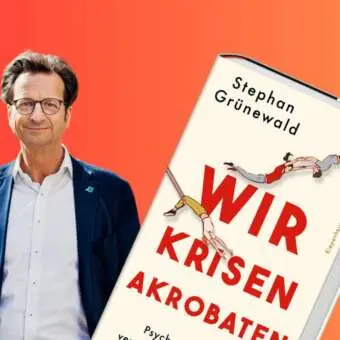
In his new book "Wir Krisenakrobaten - Psychogramm einer verunsicherten Gesellschaft", Stephan Grünewald puts the German soul on the couch - and shows how people develop astonishing strategies for self-assertion in the midst of a permanent crisis.
The study "AI and the future of work: stress test for leadership and collaboration" by the rheingold Institute for the randstad Foundation shows that companies are relying on the introduction of technological AI, but are underestimating uncertainty, defensiveness and displacement.
How do people assert themselves in a crisis? "Wir Krisenakrobaten - Psychogramm einer verunsicherten Gesellschaft" will be published by Kiepenheuer & Witsch at the beginning of October 2025. It will be presented in a free digital book premiere with Theo Koll on October 9.
Generation Z is looking for stability, meaning and ways to express themselves. If you want to reach this generation, you have to offer more than just products. It's about understanding their deep longings and giving them support with relevant offers.
Trend analysis by our Asia team: Labubu is more than just a quirky plush figure: it meets the central psychological needs of a young generation and masters the grammar of the TikTok economy. Between kawaii aesthetics, object of consolation and silent rebellion, it becomes a symbol for an attitude to life.
Sustainability is one of the key social challenges of our time. However, from a psychological perspective, it is clear that sustainable behavior is associated with inner contradictions for many people, says psychologist Sabine Loch.
The rheingold Avatar Suite enables the creation of individual AI avatars based on basic psychological needs and thus revolutionizes qualitative in-depth psychological market research. Our goal: to bring consumer needs to life and understand target groups more precisely.
Continuation of the major Witt study with exciting parallels and differences to Germany. In the Netherlands, too, the 50+ generation feels young on average and can be described as the "now me" generation. More sex and happier relationships: The 50+ generation in the Netherlands loves love!
Crises shape everyday life - and the shopping cart. A recent in-depth psychological study conducted by the rheingold Institute in Cologne on behalf of Unilever shows how consumer behavior changes in uncertain times - shopping in the area of conflict between "survival" and "a better life".