Nicole Hanisch about a generation that has been psychologically scarred by Corona and is developing new consumer habits as a result.
The article appeared in planning&analysis on October 9, 2020.
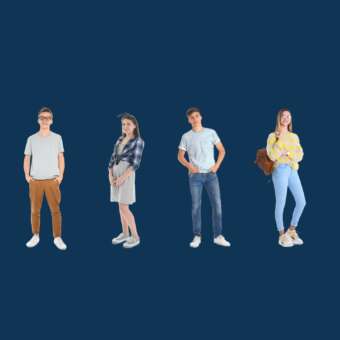
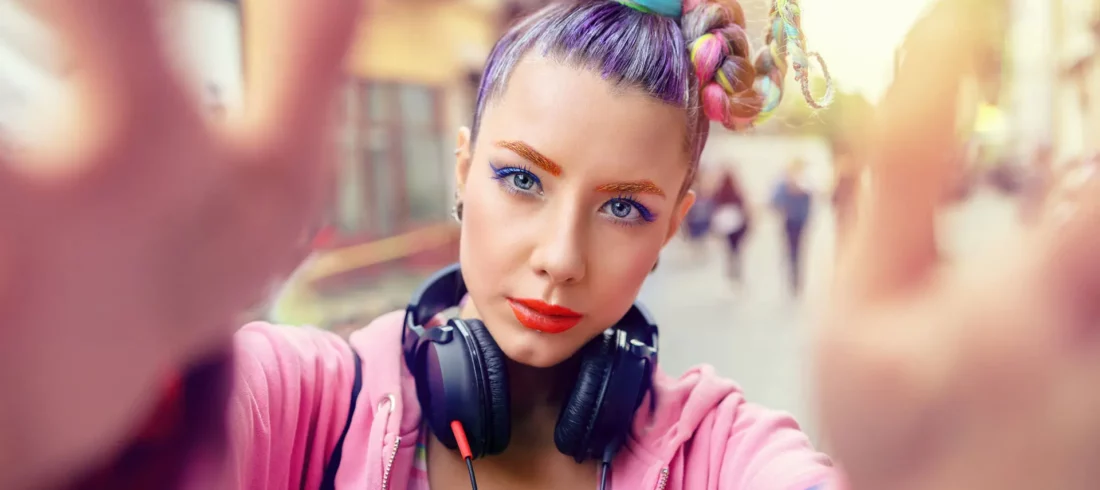
Who was that GenZ again? A year ago, at any rate, young people who are extremely in the spotlight. They go out on the streets loud and opinionated, demonstrate for the future of the world, and present themselves confidently on social channels. A generation that not only follows influencers, but is also always an influencer. A generation that is courted - by the media, brands, employers, and not least by its own parents. A generation also under scrutiny that has been directing the world with its smartphone since childhood. That's how we at the rheingold institute were able to get to know Generation Z in many studies.
During and after the lockdown, we discovered new dynamics in our research. Corona mentally scratched GenZ in a very special way. For one thing, from one day to the next, she is deprived of attention. No more Fridays-for-Future demos, no more shopping trips, not even the teachers and teaching assistants want to know about them in the early days of the pandemic. Their world, until now characterized by 24/7 availability, is suddenly set limits and fears for the future arise. They can't travel, can't party, training positions, stays abroad and student jobs fall away. Especially painful for adolescents: They can no longer express themselves physically without restraint, are not supposed to make out or hug friends. More and more, the year feels like a lost adolescent year for them, which still really matters when they're 18, 19, 20.
"No more Fridays-for-Future demos, no more shopping trips, not even the teachers and teachers want to know about them in the early days of the pandemic."
At the same time, the adult authorities take the stage; instead of Luisa Neubauer, Christian Drosten is celebrated, and instead of Rezo, Germany clicks Markus Söder. While Merkel & Co have once again taken on the task of saving the world and are guiding us through the pandemic with a stern hand, GenZ snuggles into the family nest and takes a liking to DIY, baking and game nights with the parents.
But it's precisely these things that are taken for granted that GenZ suddenly appreciates again and provides satisfaction. It's nice that someone is setting up a cozy home and is there for me in an emergency. It's good that there are - figuratively speaking - parental authorities who make responsible decisions. And also: "I'm grateful to be able to live in Germany," as one young respondent puts it.
The major changes in their lives also have an impact on habits and consumer preferences. The trend toward self-optimization, the desire to make the best version of oneself, is once again reinforced by the crisis. Health issues become more important, the body is to be steeled and "crisis-proofed" through sports and nutrition with sugar deprivation, fitness apps and protein bars. But further training or financial plans to invest in the future also help people to come to terms with the powerlessness of the pandemic and to prepare themselves for hard times.
This dynamic is particularly beneficial to large traditional brands, which on the one hand satisfy the GenZ's increased need for security. Whereas in stable times, it is primarily the spirit of optimism of young start-ups that is sought after, big brands can now score points with their stability. In the crisis, the GenZ works with big brands that can offer reliability, security and comfort like parental instances.
But in addition to a sense of security, major brands are also expected to have a clear stance and consistent, forward-looking leadership. They should not just stick to their traditions, but reach out to the younger generations and represent their interests. Sustainability should not be a slogan, but should also guarantee a great leverage effect, especially for big brands, to improve the world (climate protection, no waste, animal welfare ...).
And despite all the borderline experiences during the crisis, the GenZ still likes to be wooed, especially if they are allowed to determine the direction. So the time is ideal for big brands to aggressively capture the hearts of this generation.