The interview with Stephan Grünewald appeared in the Kölner Stadt-Anzeiger on October 28, 2020.
Mr. Grünewald, what does the psychologist's crisis barometer show?
We are observing a massive change in mood, a corona corrosion in society, with a swing between irritation and resignation. Hopes of an early end to the crisis are sinking. Faith in the miracle weapon of vaccines is waning. But the situation is also much more difficult for people overall than it was in the spring.
At that time, the lockdown quickly led to noticeable results and a sense of achievement: Infection rates dropped. The health care system remained intact. A continuous high with plenty of sunshine also provided comfort from above. Now the virus and the cold are coming back, and many feel as if half a year of effort and renunciation has brought them nothing. This harbors a great potential for frustration. In addition to this pressure of reality, there is now also a pressure of conscience when some politicians incessantly denounce the indiscipline of the citizens in the media. Such a collective scolding also affects the diligent and righteous, who now feel doubly punished - by the numbers and the political index finger.
So you think the "Söder method" with drastic warnings and threats of sanctions is counterproductive?
This rhetoric serves the desire of a scant third of the population, which demands even tougher measures and a tougher crackdown. But this is countered by an apathetic, anarchic reflex. People have the feeling: What's the point of all this? It's all pointless anyway.
But it is not only about feelings. Should politics stand idly by when it is clear that it is private parties, for example, that are becoming the uncontrolled spread of the virus?
No, politics must clearly show where the current dangers and risks lie. But they should do so objectively and without moral pressure. Because pressure leads to social shifts in blame. The other person is then seen as a security risk or a coward, and the anger toward each other builds up. The social climate thus becomes increasingly harsh. But what we need now in this crisis is solidarity and a joint effort. And this can be achieved if policymakers convince people of the magnitude of the challenge.
But once again, "spreader events" with their consequences are a fact.
There is no evidence of an increase in carefree behavior in our studies. We are coming out of a summer situation in which people were able to organize their social lives quite carefree again after all. This behavior cannot be retrospectively assigned a guilty verdict - along the lines of "Now you'll get the receipt for your lack of reason and your summer carefree attitude." Incidentally, this is fatal not least because virologists have been pointing out for months that the numbers will rise sharply in the fall because the virus finds optimal conditions in the cold season. That is why we are facing a completely different challenge today. What was still possible without any problems in the summer is now highly dangerous. It takes a concerted effort to switch from summer tires to winter tires now.
How likely do you think it is that this appeal will be successful?
In my opinion, two years of permanent alarmism will not get us through crisis, but only a sense of rhythms, rhythms of life. Actually, what we have always known: Life is different in summer than in winter. We have to align ourselves with the conditions under which the virus is better or worse.
The innkeeper around the corner will say: But we won't survive the next change of rhythm.
That's true. And that's also why it would be wrong to completely shut down public life again. In our interviews, the young people say they used to meet outside in the park or in a pub with a clear conscience. If that is no longer possible, everything will shift to the private sphere. Then the same group that used to drive in public spaces with distance rules will be sitting in a very confined space in a living room. Prohibition-like conditions that only exacerbate the malaise. The cinema owner, the theater operator, the innkeeper - they all have a vital interest in keeping their businesses running, with hygiene concepts that no one can enforce and control in the private sphere.
So no second lockdown?
Without further measures, we are threatened with infection figures like those in our neighboring countries. But I warn against mere activism. The measures must be comprehensible and consistent, otherwise political action will appear haphazard and erratic. And they must be effective, otherwise people will resign all the more. In view of the challenge, it is important to be encouraging! With the infection figures of the Robert Koch institute, every day starts with a slap in the face. As alarming as the figures are, a look across the borders shows that we are still comparatively well off and encourages us to continue on this path.
Encouragement instead of moralizing. That is what I would wish for!
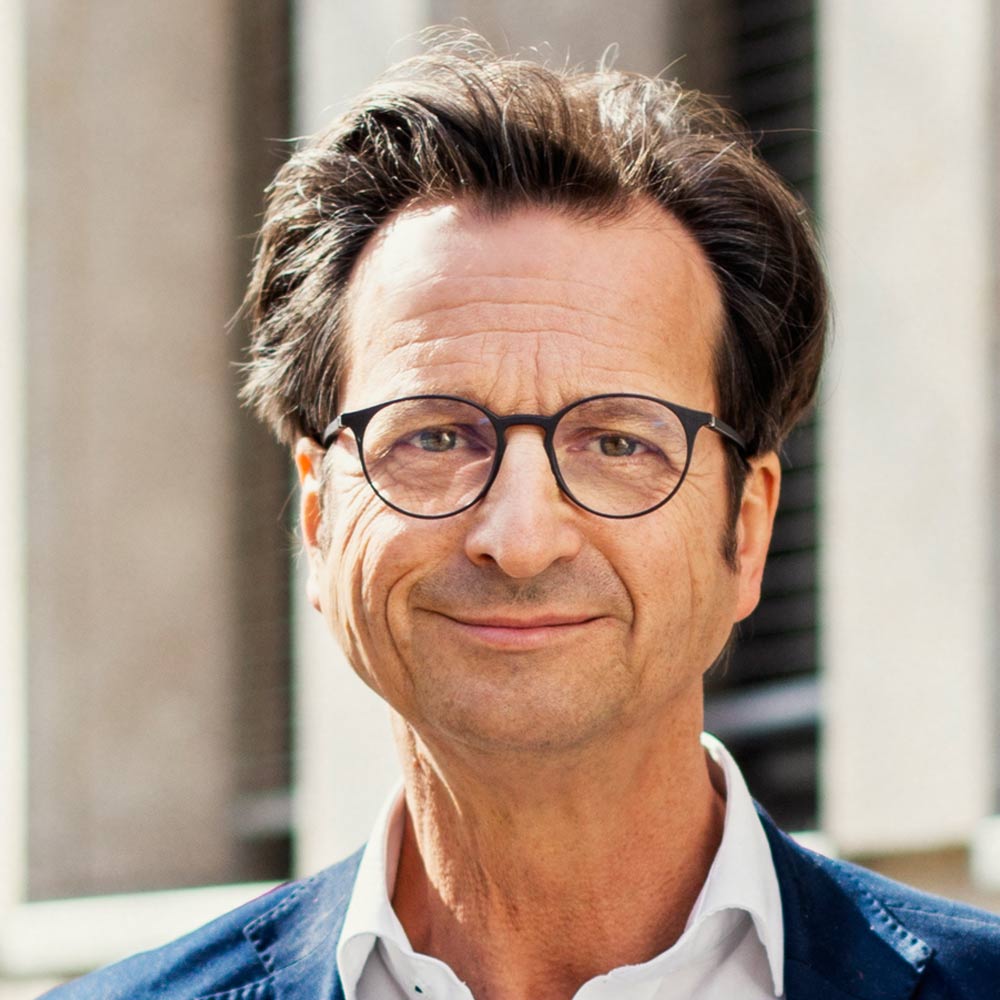
Cologne-based psychologist Stephan Grünewald is the founder of the market and media research institute rheingold. Grünewald became a bestselling author with his books "Deutschland auf der Couch" (2006) and "Die erschöpfte Gesellschaft" (2013) as well as "Wie tickt Deutschland" (2019).
Phone: +49 221-466 828 0
E-mail: gruenewald@rheingold-online.de