
Social cohesion is under threat and more and more people in Germany are experiencing a loss of solidarity - with society, politics and people outside their own immediate surroundings. 87%* perceive a growing separation and isolation in society, which worries them. (In 2023, only 83% of people agreed with this statement).
A full 89% agree that our society is divided and that a shared sense of community has been lost. And only 9%* of people still believe that the sense of community will improve in the next ten years. (In 2023, this figure was still 17%.)

Longing for unifying togetherness
Despite the crisis of solidarity and the feelings of loss that often accompany it, there is a strong longing for unifying togetherness. 95% of respondents agree that we need more cohesion in Germany again in view of the global political situation. And 77% say they would like to have more genuine community experiences - even with people who think differently to them.

Social mistrust, silent alienation
These are the key findings of the "Connectedness" study conducted by the rheingold Institute 2025, which specializes in depth psychological research, on behalf of the Düsseldorf-based Identity Foundation for Philosophy. For the study on connectedness in Germany, 32 two-hour interviews were conducted and 1,001 people were questioned in an online survey representative of the population.
The study reveals a fragile picture of social cohesion in Germany. The country is experiencing a "frightening lack of solidarity", states Paul Kohtes, Chairman of the Foundation. Social mistrust, silent alienation and a lack of confidence characterize the experience. The loss of trust in politics and the public media, which are supposed to create a common perspective, is also alarming. Only 47% of the population say that they still have confidence in the providers of public service news. And only a third of people (34%) still trust democratic institutions.

Withdrawal from the unsettling outside world
The reasons for this crisis of connectedness are primarily the result of increased self-referentiality. In view of the multitude of current crises, many people are withdrawing into small circles and trying to isolate themselves from the unsettling outside world. An increasing feeling of insecurity is described across all age groups, both in the public sphere and in political and social issues. Only 28% of people currently feel safe in public spaces.
Social bastions are also emerging in the digital world: communities are becoming increasingly hermetic and developing a wagon-castle mentality. People from the social environment who are difficult or have different opinions are often sorted out and avoided. 84% of respondents agree that people with different opinions hardly ever approach each other. "This development is worrying for a democracy that is based on the ability to talk and change perspectives," warns psychologist Stephan Grünewald, founder of the rheingold Institute.
The flip side of the lack of openness and willingness to talk is a growing aggressive tension. 89% (2023: 84%) perceive social interaction as aggressive, and people increasingly see tensions escalating into verbal attacks.

Manifestations of connectedness in everyday life
Despite such crisis-related findings, there are numerous manifestations of connectedness in everyday life. 85% experience a strong sense of connection/community with their family and 83% with their circle of friends. 67% of respondents experience a strong sense of connection with nature and the planet. In the in-depth interviews, people describe how they feel connected through shared commitment - for example in the neighborhood, in associations or political initiatives.

Lack of solidarity jeopardizes democracy
However, in people's eyes, the longing for solidarity is hardly being channeled socially. Currently, only 24% agree that society in Germany will grow closer together again in the future. "A lack of solidarity can jeopardize our liberal democracy in the long term," says Stephan Grünewald. Such social mistrust makes people susceptible to "totemic tribalism", as can currently be observed in the USA.
However, this path is increasingly leading to destructive, compartmentalized structures that stand in the way of the emergence of more comprehensive and broadly integrating bonds. According to the psychologist, the global crises act as an accelerant. Politics and society are faced with the question of whether and how this erosion of social connectedness can be stopped and whether there are possibilities for transformation.
Sample and method:
The Connectedness Study was conducted by the rheingold Institute in January 2025 on behalf of the Identity Foundation. The aim was to examine the private, social and political dimensions of connectedness: Where do people in Germany still experience connectedness today - and where no longer? How does connectedness develop, how does it feel, what conditions promote or prevent it?
Qualitative part: 32 two-hour in-depth interviews with people aged between 18 and 65 from all over Germany. Selection according to age, gender, education, regional origin and political orientation.
Quantitative part: Online survey of 1,001 representatively selected people aged between 18 and 65 who live in Germany. The sample was proportioned according to age, gender, federal state and political attitude.
The quantitative survey is based on a questionnaire that was developed on the basis of psychological in-depth interviews.
The questionnaire was answered in March 2025.
The comparative values from 2023 relate to the confidence study, which was also conducted by the rheingold Institute for the Identity Foundation. The same basic population ensured comparability and enabled comparisons to be made over time, as some of the questions were asked again by the rheingold Institute.
*Top 2 value = "Strongly agree" and "Agree somewhat"

The results in detail/long version:
Social cohesion is under threat, more and more people in Germany are experiencing a loss of solidarity - with society, politics and people outside their own immediate area. 87% (top 2 value*) perceive a growing separation and isolation in society, which worries them. In 2023, 83% of people agreed with this statement. A full 89% agree that our society is divided and that a shared sense of unity has been lost. Only 9% (top 2 value*) of people believe that the sense of community will improve in the next ten years. In 2023, this figure was still 17%.
The loss of trust in politics and the public service media, which are supposed to create a common perspective, is also alarming. Only 47% of the population say that they still have confidence in the providers of public service news. And only a third of people (34%) trust democratic institutions.
These are the key findings of the "Connectedness" study conducted by the rheingold Institute 2025, which specializes in depth psychological research, on behalf of the Düsseldorf-based Identity Foundation for Philosophy. For the study on connectedness in Germany, 32 two-hour interviews were conducted and 1,001 people were questioned in an online survey representative of the population.
It shows a fragile picture of social cohesion in Germany. The country is experiencing a "serious lack of solidarity, particularly in the public sphere - which indicates a severe loss of trust", states Paul Kohtes, Chairman of the Foundation. Social mistrust, silent alienation and a lack of confidence characterize the experience.
"I don't want to get upset anymore, I just take care of myself and my family."
(35 years, female)
The reasons for this crisis of connectedness lie primarily in the retreat to personal space. In view of the multitude of current crises, many people are withdrawing into their private lives and trying to isolate themselves from the unsettling outside world. People are seeking protection, strength and security above all in small but close social circles of like-minded people.
Digital bastions are becoming more hermetic
A social bulwark mentality is also emerging in the digital world: communities are becoming increasingly hermetic and developing a wagon-castle mentality. People from the social environment who are difficult or have different opinions are often sorted out and avoided. 84% of respondents agree that people with different opinions hardly ever approach each other. "This development is worrying for a democracy that is based on the ability to talk and change perspectives," warns psychologist Stephan Grünewald, founder of the rheingold Institute.
In the 18-29 age group in particular, it can be observed that they avoid conflict and maintain as inconspicuous an attitude as possible in order to avoid making themselves vulnerable. This stealth mentality is also reflected in the fact that 48% of the younger generation agree that they do not express their opinions openly because they fear criticism.
The flip side of the lack of openness and willingness to talk is a growing aggressive tension. 89% (2023: 84%) perceive social interaction as aggressive, and people increasingly see tensions escalating into verbal attacks.
"There are so many little things that go wrong. You encounter discord, envy and resentment everywhere, hardly anyone is willing to help."
(60 years old, female)
Feelings of insecurity
An increasing feeling of insecurity is described across all age groups, both in public spaces and in political and social issues. The feeling of safety in public spaces has been shaken above all by the fact that symbolic places of community such as Christmas markets, demonstrations or public festivals have become risky places. Only 28% of people currently feel safe in public spaces.
"The way people treat each other worries me. The feeling of safety is diminishing and I wonder what kind of world my child will grow up in."
(33 years, male)
The crisis of solidarity is also exacerbated by the fact that the majority of people no longer feel valued by politicians - due to rising prices, a lack of housing, a dilapidated infrastructure and a migration policy that is perceived as "unquestioned". Politics has also not been a good role model for solidarity due to the constant bickering, especially in the last legislative period. Distrust in politics is growing: many people have the feeling of living in an orphaned state that lacks care.
The crisis results in a deep longing for connection
Despite the crisis of solidarity and the feelings of loss often associated with it, there is a strong longing for unifying togetherness. 95% of respondents agree that we need more cohesion in Germany again in view of the global political situation. And 77% say they would like to have more genuine community experiences - including with people who think differently to them.
"I would like to have a feeling of solidarity, even with people whose political opinions I don't share, we should find a way to work together again and then argue."
(29 years old, male)
People want to be able to express themselves freely to colleagues and their extended circle of friends ("as they please"), to be able to move around in public spaces without worry or fear.
"The Scots at the European Championships, that was thrilling. Having fun without being against each other."
(42 years old, female)
The German 'summer fairy tale 2006' was described in the in-depth interviews as a rousing ideal of solidarity. Current major events such as the European Championship 2024 in Germany or the 2024 Olympic Games also had an integrative and inspiring effect on people as a model of successful togetherness. Events such as concerts and festivals are experienced as carefree breaks from everyday life and revive many longings for carefree togetherness.
Standing up together for democracy in the wake of the Potsdam remigration fantasies also created a long-missing sense of unity among the participating demonstrators.
Vital islands of connectedness in everyday life
Despite the crisis of connectedness, which is particularly evident in the public sphere, there are numerous manifestations of connectedness in everyday life. 85% of people experience a strong sense of connection/community with their family and 83% with their own circle of friends. And 67% of respondents experience a strong sense of connection/community with nature and the planet.
In the in-depth interviews, people describe how they feel connected through shared commitment - in the neighborhood, in clubs, in cultural activities, in voluntary work, political initiatives or in project initiatives such as cleaning up parks together.
But dramatic events such as the floods in the Ahr valley also bring people together and spontaneously create communities of solidarity in which people defy fate together.
"There was this big church service. The forecourt was full of people. We Magdeburgers came together because we all felt for the victims and their families."
(35 years old, female)
Hope for social change: each individual is also needed
In people's eyes, however, this longing for solidarity is hardly channeled socially. "A lack of solidarity can endanger our liberal democracy in the long term," warns Stephan Grünewald. The global crises act as an accelerant. Politicians and society are faced with the question of whether and how this erosion of social connectedness can be stopped and whether there are possibilities for transformation.
A good example, according to Grünewald, was the 2022/23 crisis over Russian gas, in which the entire country saved energy together for a short time in order to secure it for everyone. This kind of drive could serve as a model for further efforts, in which pent-up kinetic energy is channeled into experiences of social solidarity.
"Every individual has a responsibility not only to lament the crumbling togetherness," says the psychologist, "but to actively live more solidarity in everyday life." At present, only 24% agree that society in Germany will grow closer together again in the future.
According to Grünewald, this kind of social mistrust makes people susceptible to "totemic tribalism", as can currently be observed in the USA. However, this path is increasingly leading to destructive, segregated structures that stand in the way of sustainable solidarity.
What connectedness needs
Connectedness and good relationships with others increase confidence and satisfaction and have positive effects on mental and physical health. Successful connectedness qualifies itself in the feeling of a great and universal upliftment in a threefold sense.
- Firstly, connectedness conveys a feeling of comprehensive security. You feel safe and protected in the relationship or community and have the feeling that you can let go.
- Secondly, solidarity conveys a proud feeling of grandeur, greatness and elevation. In growing together, the individual grows beyond himself and sees himself as part of an overarching entity. The whole of the bond is then more than the sum of its members.
- Thirdly, connectedness conveys a feeling of leveling. Ego boundaries and personal responsibilities are removed or abandoned and dissolve. The feeling of being separated and alone gives way to a feeling of equality and equal rights.
However, five consecutive conditions are important for the development of connectedness. They create the necessary basis of trust, which is the foundation of any bond.
The basic prerequisite is trust in a safe environment. This creates the feeling of being able to move freely and protected and to express one's opinion openly. This applies to private conversations as well as public spaces. Rules, respect, non-violence and transparency create a safe environment. Insecurity, darkness and a lack of law and order, on the other hand, undermine trust. And on a larger scale, of course, this also applies to social, political and economic security and prospects. People are only prepared to open up when a secure framework is in place.
For those surveyed, these are the three most important aspects for feeling connected to others:
a) "When I am respected"
b) "When my concerns are heard and taken seriously"
c) "When I can show myself as I really am"
Open up - Those who open up trust and also generate trust in the other person. If you are always hermetically sealed and believe you know everything better, you cannot empathize with others and cannot find access to yourself. Those who open up make themselves tangible, but also vulnerable. Because opening up always means making yourself vulnerable and vulnerable to disappointment. This also includes access to one's own weaknesses, doubts, imperfections and the need for supplementation, as well as a culture of error that accepts oneself and others as imperfect. This is the only way to create a shared resonance chamber.
Resonance - mutual involvement. By opening up, you can enter into a resonance relationship with others, which enables mutual involvement. It is important not only to send, but also to really listen to the other person, to engage with their perspectives, views and attitudes and to try to understand them from their perspective.
This can create a lively exchange - a unifying resonance chamber or a shared resonance dialectic. As in a jazz quartet, everyone sets the tone and offers their own melody, which the others take up and continue together. 82% of respondents feel that a greater willingness to listen to people with different opinions has a positive influence on social cohesion and a sense of solidarity.
A common goal - it creates a common direction (whether at work or in sport). Connectedness therefore requires overarching goals, challenges, visions or a common destiny for the individual. The dialectical resonance relationship is given a clear and, in a double sense, binding direction through shared goals. Shared tasks, shared experiences or shared destinies deepen trust and a sense of togetherness. 75% of respondents feel that common challenges that have to be overcome by all parts of society together have a positive influence on social cohesion and a sense of solidarity.
Unbinding and development - attachment cannot be forced, but can only arise if you are willing to detach and unbind again. The more one commits the other to a bond, the more tendencies to detach arise on the other side. Community should always remain open to development, emancipation and reorganization.
Dysfunctional love relationships or autocratic or dictatorial forms of government, on the other hand, try to cement attachment. They demand absolute loyalty - deviating attitudes lead to 'excommunication'. Such forced attachment does not allow for organic development. It stabilizes itself for a while with the help of 'carrots and sticks', rewards the loyal and punishes or demonizes the renegades with coercion, pressure and sanctions.
But this also contains the seeds of deviation, detachment and rebellion, and it takes a lot of destructive energy to seal off and cement the system.
A healthy bond, on the other hand, leaves room for development, is willing to question itself and allow new forms of togetherness to grow. Development requires trust, including the trust to let go of old forms of connectedness.
About Identity Foundation:
The Identity Foundation is a non-profit foundation for philosophy and realizes projects on questions of identity. Previous research topics have included the future, the development of elites, the self-image of Germans and aspects of the personal and spiritual development of being human. Since 2014, the foundation has been a cooperation partner of phil.cologne, Germany's largest annual philosophy festival. You can also download the study results from the foundation's website.
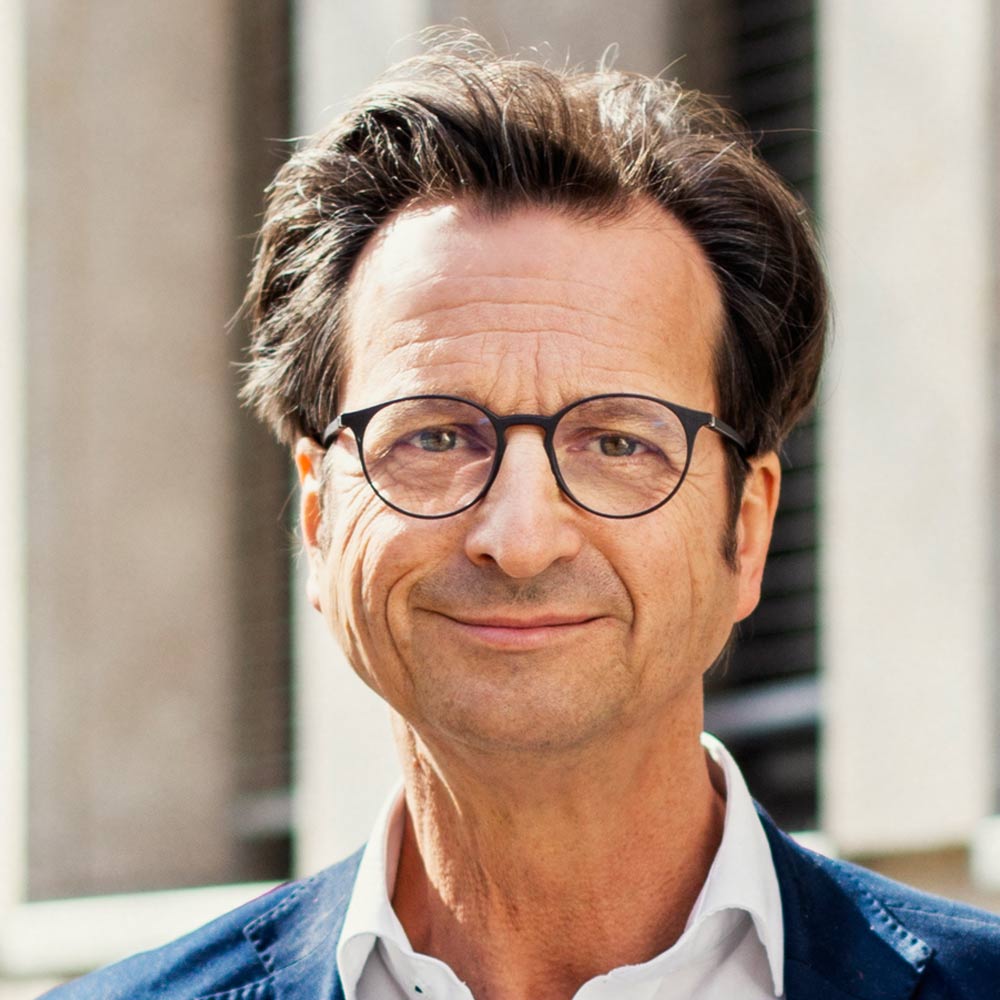
Cologne-based psychologist Stephan Grünewald is the founder of the market and media research institute rheingold. Grünewald became a bestselling author with his books "Deutschland auf der Couch" (2006) and "Die erschöpfte Gesellschaft" (2013) as well as "Wie tickt Deutschland" (2019).
Phone: +49 221-466 828 0
E-mail: gruenewald@rheingold-online.de