

Voluntarism and mere moral appeals for behavior change lead to dissatisfaction and injustice.
The interview appeared in the Kölner Stadt-Anzeiger on August 30, 2019.
Mr. Grünewald, the big vacations are over. Did anything change in the country over the summer?
In our research, we are observing a new desire for prohibition. This is not a development of weeks, but it became very clear during the summer debates on flying and climate protection.
In what way?
Wherever society relies on voluntary behavioral changes and commandments with the character of mere recommendations, this leads to people constantly having to kick themselves in the butt. If, however, at the same time they experience that their neighbors, friends and colleagues behave completely differently from the commandments, then this creates discontent and annoyance. In that case, it is better to make a clear announcement to which everyone must adhere. Psychologically, bans thus take into account the desire for relief: We don't have to sort everything out with ourselves. In studies with smokers, for example, we have found how relieved they are about prohibition zones. This relieves them of the constant control struggle. Children and young people are also often secretly happy when their parents impose strict cell phone or computer bans. Then they don't have to impose restrictions on themselves and struggle with their own temptation.
You can find the full interview here:
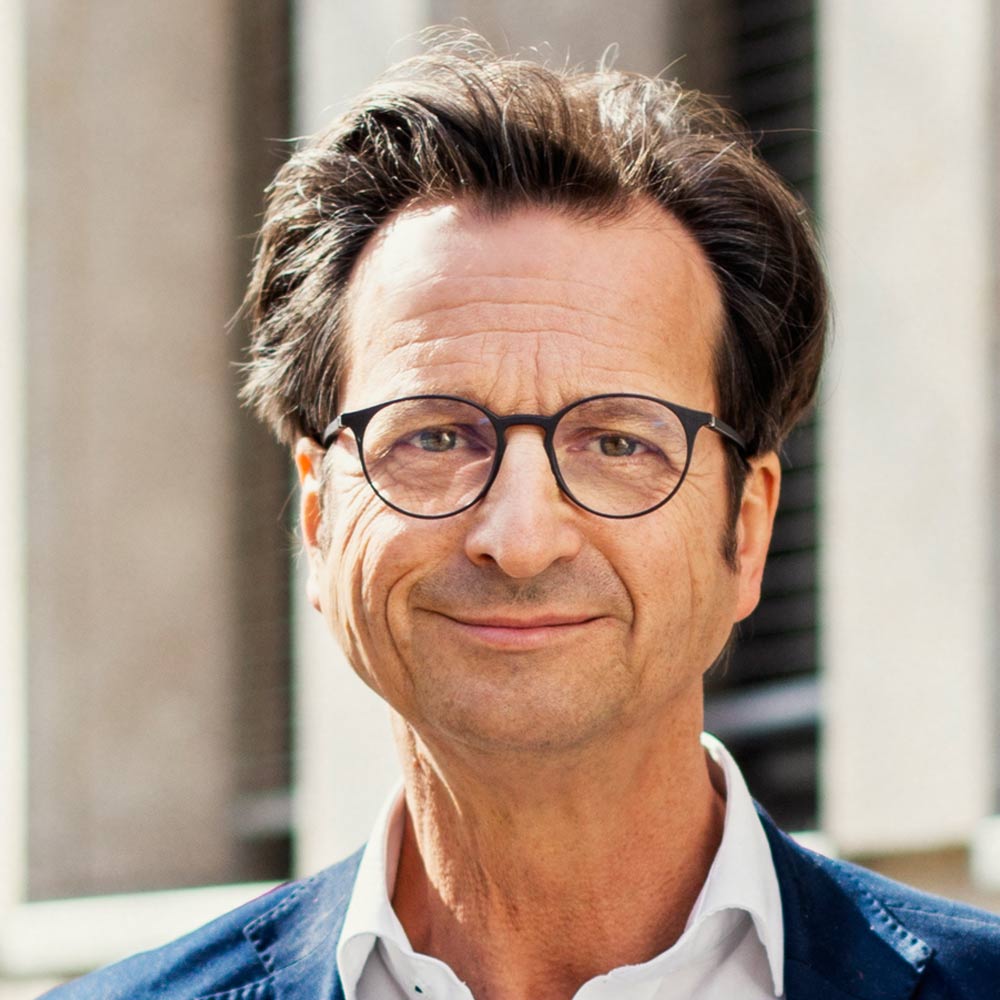
Cologne-based psychologist Stephan Grünewald is the founder of the market and media research institute rheingold. Grünewald became a bestselling author with his books "Deutschland auf der Couch" (2006) and "Die erschöpfte Gesellschaft" (2013) as well as "Wie tickt Deutschland" (2019).
Phone: +49 221-466 828 0
E-mail: gruenewald@rheingold-online.de