The Corona crisis challenges brands to reposition themselves and make intelligent use of the dynamic environment. This is not just about exploring changing consumer needs, but also about actively creating new offerings. "Covid-19 has changed people's lives, our autopilot is off, many of the things we take for granted are being challenged," says rheingold psychologist Judith Behmer. For people, this has not only triggered uncertainty, but also a highly productive search movement for new ways of coping and dealing with the changed reality. In this phase of transformation, brands can point the way like a GPS transmitter and make meaningful offers for the new everyday life.
"Products unconsciously structure everyday life to a large extent," says Behmer - and often in a very profound way. If you look at people's daily routines, you notice how products and brands play an enormous role in shaping every single phase of the day. This becomes particularly clear in the morning after waking up, when we awaken from archaic sleep and dream worlds and have to complete a small daily evolution into cultivated professionals. From breakfast cereals and coffee to the smartwatch and shower gel, brands provide (pre-)images and orientation aids here and make this transition possible (for the first time) - beyond purely physiological needs.
Brand stories must depict the familiar and develop narratives
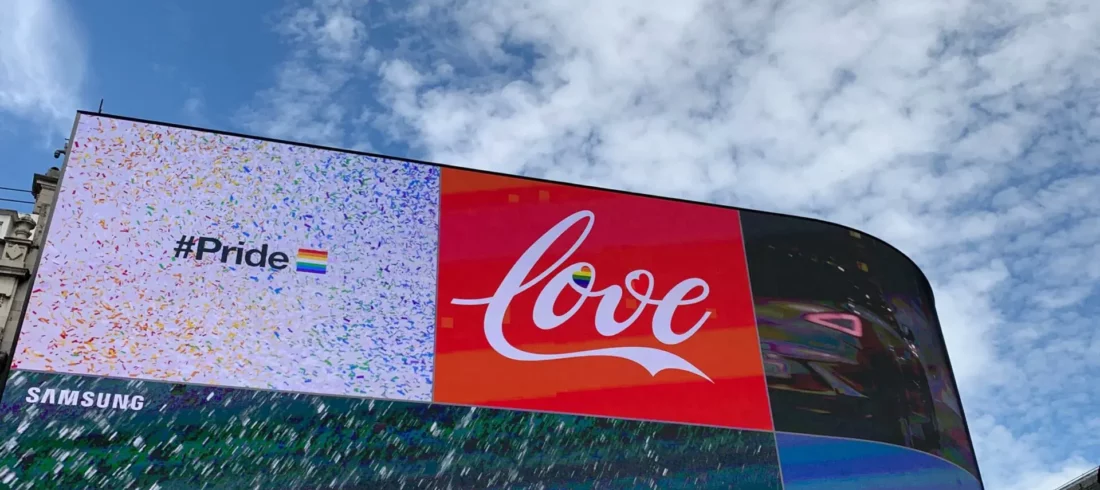
Traditional brands, which accompany the departure into a new world with the comfort of the familiar and imply security, are currently benefiting particularly from this time of change. But this effect is not self-propelling: "Consumers as well as brands are currently in a gigantic experimentation phase," says Behmer. Even if many things seem normal again, the context has changed permanently. From this perspective, brand stories must not only depict the familiar, but also develop new narratives. For brand communication, this means that it must both tie in with the familiar and pick up on the new situation - such as Coca Cola with its 'open as never before' campaign. Consumers have a heightened awareness of how brands relate to the changes and what responses they provide.
The more people regain confidence, the more likely they are to be open to innovative offers - "in our research, we are currently observing a newly awakened lust for life," says Behmer. Driven by the dynamics of social change, he says, the opportunities for brands are greater than ever to constructively accompany consumers in their search movement, to develop innovations along the brand core, and thus to create sustainable new forms of cultivation. "Brands structure our everyday lives much more than we realize," says the psychologist. For the psyche, the products of everyday life are definitely system-relevant and can therefore act boldly: "Right now, brands should be inventive!"
According to Behmer, the first McDrives for cyclists in three restaurants in Munich, Berlin and Cologne are also a positive example of the entry of the changed reality and the response of a brand with new services. Without getting off the bike, the burger can be ordered, paid for and received contactlessly via the McDonald's app. What sounds like a funny marketing gag is psychologically a highly intelligent reaction to the crisis, which has demonstrably triggered a cycling boom and forced people to take a completely new look at the topics of exercise and health.
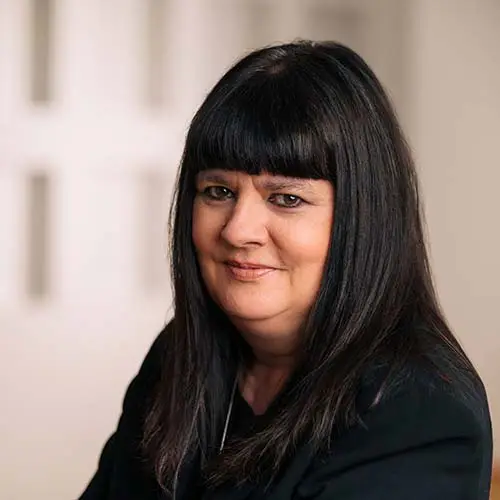
Judith Behmer holds a degree in psychology and is a member of the management team at rheingold institut für tiefenpsychologische Markt- und Medienforschung (Rheingold institute for Depth Psychology Market and Media Research), where she conducts research in various industries (including media, retail, and financial services). The cultural psychological aspect of her research projects is particularly close to her heart.
Phone: +49 221-466 828 0
E-mail: behmer@rheingold-online.de